
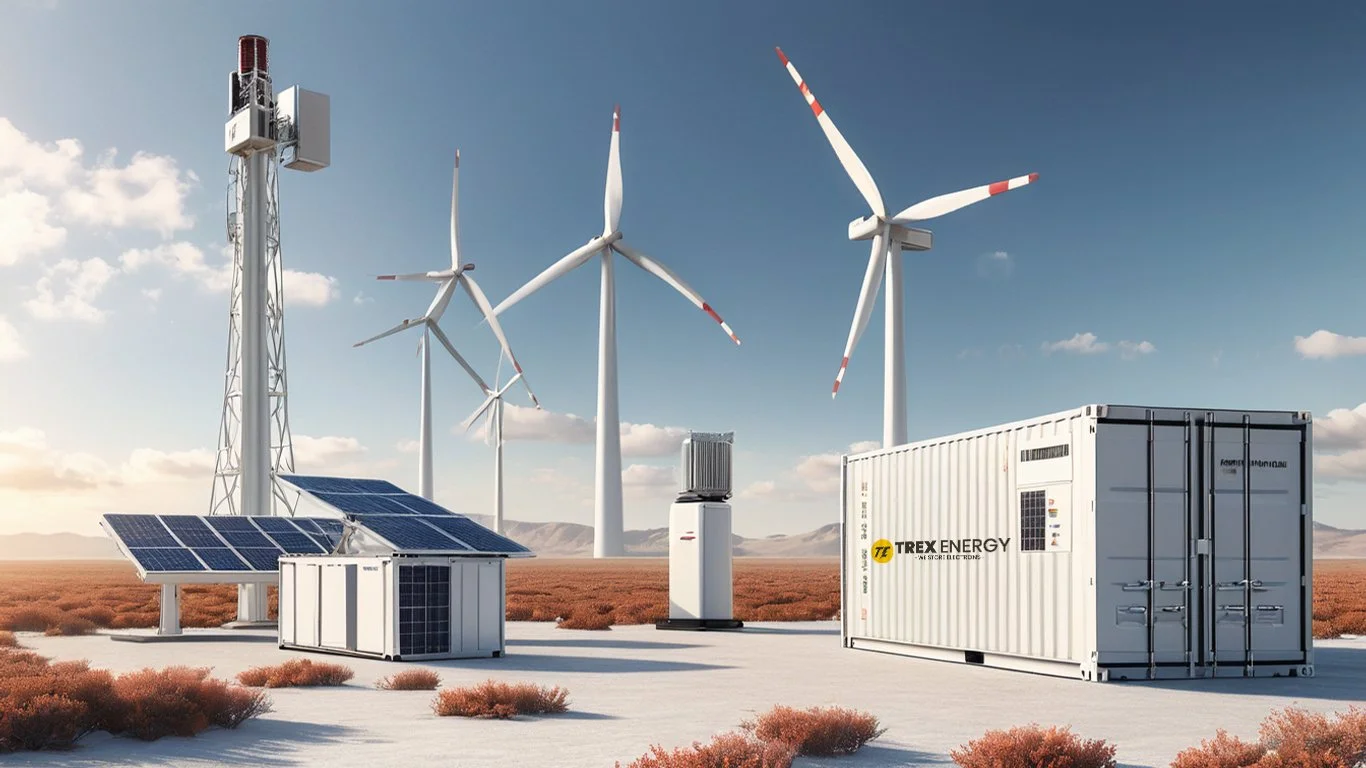
BESS (Battery Energy Storage System)
What is BESS?
BESS stands for Battery Energy Storage System. In simple terms — it's a large, intelligent battery for your facility.
It stores electricity when it's cheap or freely available (like during peak solar generation hours) and discharges it when electricity is expensive or unavailable (like during peak grid tariff hours or power cuts).
Think of it as a financial tool — not just a backup system. For commercial and industrial businesses, BESS can dramatically reduce two of the biggest hidden costs in your electricity bill — peak demand charges and time-of-day tariffs.
How It Actually Works
During the day your solar panels generate electricity. Any surplus that you don't immediately use gets stored in the battery instead of being sent back to the grid.
In the evening — when solar generation stops and grid tariffs are at their highest — your battery kicks in and supplies power. You use your own stored energy instead of paying peak rates.
When the grid goes down, the battery seamlessly takes over. Your operations don't pause, your machines don't stop, and your business doesn't skip a beat.
Why It Makes Sense For You
Save the solar you generate
Excess solar energy gets stored in your battery instead of going to waste
Use your own power, not the grid's
Draw from your battery during peak hours and cut your most expensive electricity costs
Keep running when others stop
When the grid goes down, your battery keeps your operations running without interruption
The Financial Case
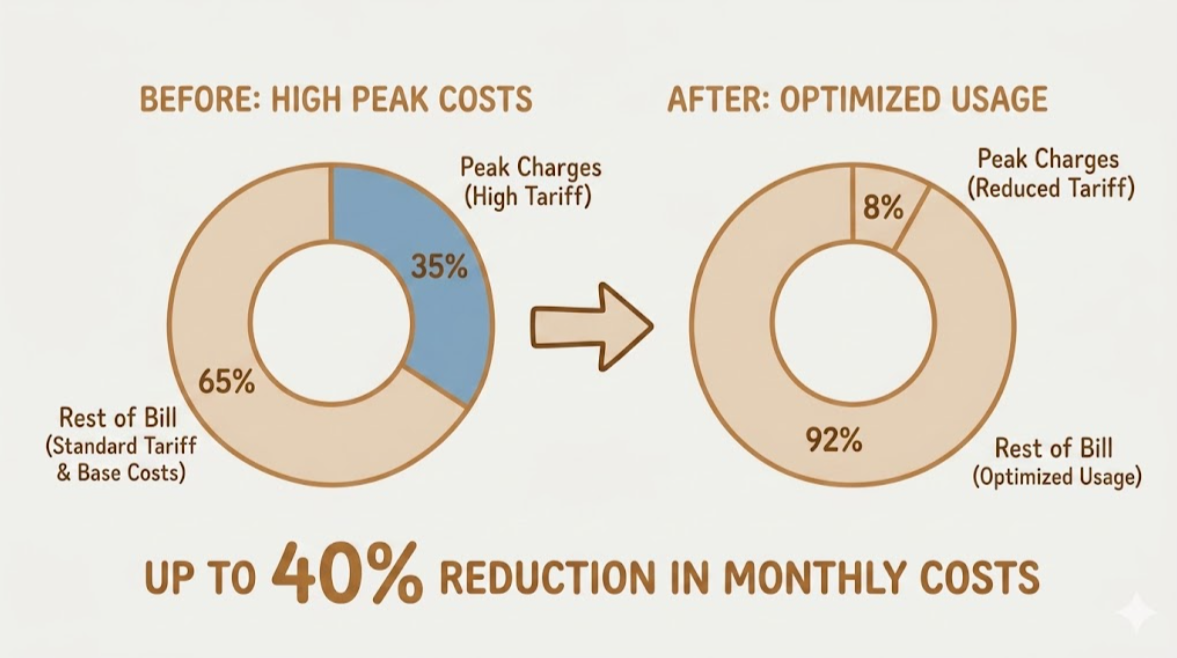
For commercial and industrial clients in Maharashtra, peak demand charges from MSEDCL can account for 30–40% of your total electricity bill.
A well-designed BESS can significantly reduce or eliminate those charges — often delivering returns that make the investment pay for itself within a few years.
We help you understand exactly what BESS will cost, what you will save, and when you will break even. No jargon. Just numbers.
Who Should Consider BESS?
Industries with high peak demand charges from DISCOM
Facilities that experience power cuts or grid instability
Businesses with existing solar systems looking to maximise their generation
HT consumers paying time-of-day tariffs
Operations where downtime is not an option — manufacturing, cold storage, data centres, healthcare